
How our buffalo are facilitating healing
It's been an unseasonably warm and dry winter here in Sicangu country. Each year we are seeing more extreme weather variability due to climate change. One year South Dakota we are inundated with rain and flooding, and the next we're dealing with drought.
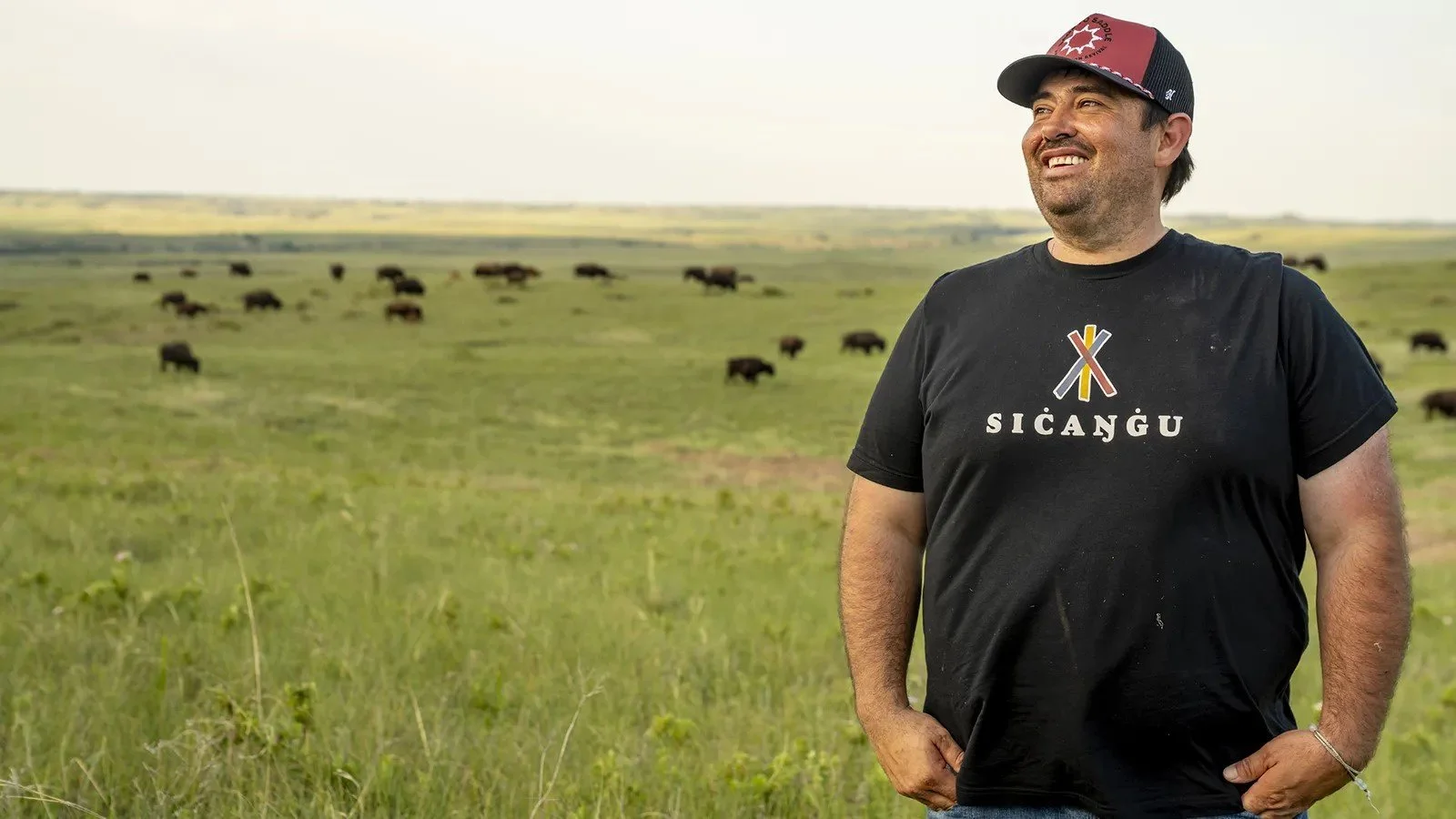
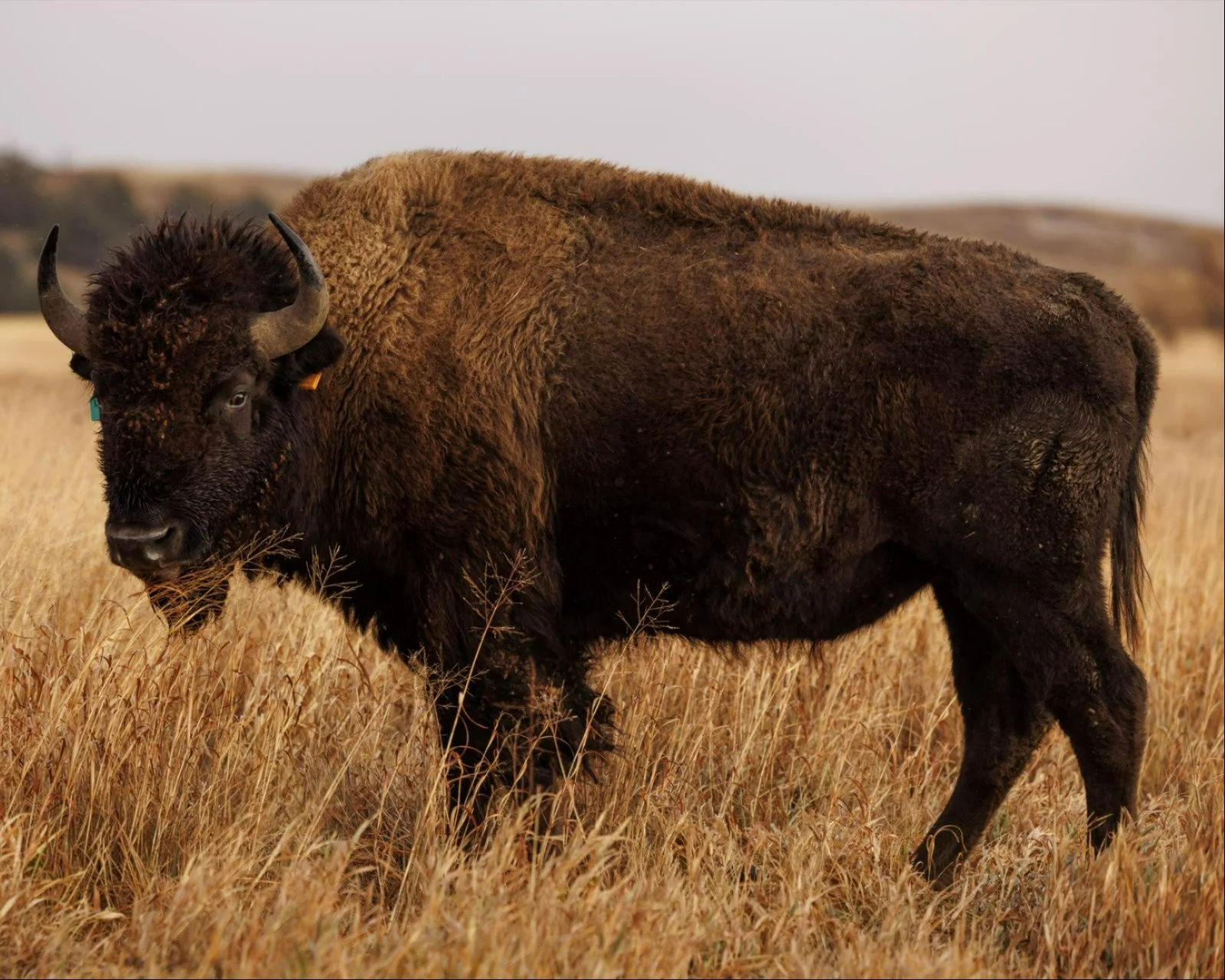
Bringing back bison is a key strategy in mitigating the effects of that variability. Buffalo evolved with the prairie for millennia, and at Wolakota we're seeing evidence that they are healing the land, despite the changing environmental factors.
Below, we've included some of the findings from last year's monitoring. But first, we'd like to share a story that was originally published by World Wildlife Fund, which features Wolakota's General Manager, Bud Colombe.
Thank you for your support, which allows us to care for our human, plant, and animal relatives.
Leading With the Land, the Buffalo, and Community
This story was written by Benjamin Alva Polley and initially published by World Wildlife Fund here.
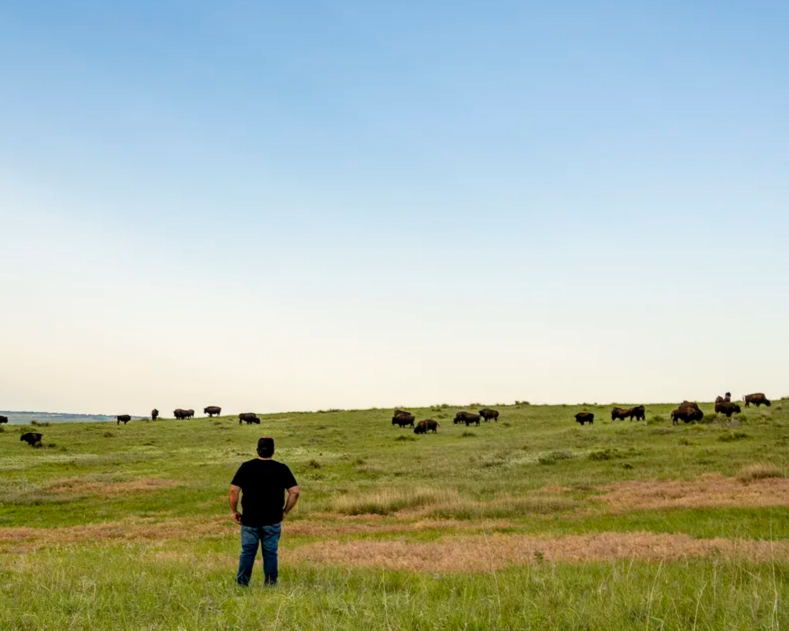
On a scorching 100-degree day in southeastern South Dakota, Chance “Bud” Colombe sits in the shade of a cedar tree on the Rosebud Reservation, where the pines meet the Sandhills, overlooking the Little White River and 28,000 acres of grasslands. He manages the Wolakota Buffalo Range, home to over 1,000 bison—the largest native-owned bison herd in the world—while working for the Siċaŋġu Co, the economic arm of the Rosebud Sioux Tribe. Wolakota supports the regeneration of the land, people, and economy of the Siċaŋġu Lakota Oyate, operating under the belief that when the grasslands and bison thrive, so do the people.
What the bison know
For Colombe, it’s important to create a space for learning from these magnificent animals. "We don’t know everything,” he says. “With GPS ear tags, we can observe how the bison use the land, learning what they need and when. One of our goals is for the bison to teach us how to care for them. No one understands bison better than bison themselves."
Colombe embodies a compassionate and visionary leadership style, creating opportunities for his community, particularly its youth and elders. He emphasizes cultural education, food sovereignty, and access to information, believing in the importance of providing lifeways beyond traditional roles. This summer, the ranch accepted applications from five young men to work on the ranch and learn from elders about Lakota culture and the bison, including ceremonies, songs, land management, and horseback riding.
“We hope to create a path that allows these young men to mature sooner,” Colombe explains. “Some of us didn’t have that guidance when we were younger and had to learn through trials. We need to create a better path for our young people. I want to establish opportunities here for culture, food sovereignty, and jobs."
A vision and a purpose
Looking ahead, Colombe envisions a sustainable model for Wolakota. “We’re profit-driven up to the point of self-sustainability; anything beyond that is greed. We aim to operate sustainably and give back to the community. It’s about profit with a purpose—feeding people and engaging the community."
He also sees eventual eco-tourism at the ranch as a path to sustainability. “We shouldn’t gatekeep access to what some may never experience; I view it as cultural appreciation. By identifying revenue streams that support sustainability, we can enhance community impact and involvement. Our dream is to allow people to experience the beauty of our work here. We’re all related, and we should share these experiences with like-minded individuals with good hearts."
Why food sovereignty matters
The intense sun shifts in the sky. Colombe wipes sweat from his forehead. He feels a deep responsibility for his community and highlights the significance of food sovereignty: "I’m in a big position. I have family and community members I grew up with; while I’m able-bodied, I’ll do everything I can to help them. Food sovereignty means everything. It means empowerment, pride, and self-sustainability. The corporate structure often doesn’t have our best interests at heart. We need to take matters into our own hands to empower our local communities."
Harvesting bison is one of the most challenging aspects of managing them. Wolakota follows a traditional practice for the harvest and only began doing so once the herd was at capacity. The night before a harvest, Colombe and his employees enter the sweat lodge to pray. “We harvest them with prayer, a good heart, and understanding. We thank them for feeding the people, recognizing their sacrifice as medicine for the community." Often, the day after these ceremonies, a bison will step away from the herd, which is taken as an offering of itself to nourish the community.
The bison meat they harvest is given away to the Rosebud community, including elders and local school lunch programs. These efforts mean healthier, traditional protein options and greater food sovereignty within Rosebud, one of the least food-secure places in the country.
Colombe believes restoring bison requires unity: "We need to come together for the greater good and never compete with each other."
Walking with a good heart
Colombe recognizes that today’s battles over land occur in courtrooms rather than on open grasslands. He encourages youth to pursue careers in law, medicine, or ecological restoration, aiming to make a positive impact on the community rather than seeking personal gain. "When I make a decision about the grasslands or bison, I think about the grandmas with five grandkids. My decisions affect more than just me," he asserts. One of his favorite activities is spending time with the bison, taking a moment to pause from the busy world. "I feel what I’m doing is meaningful and purposeful. I want to ensure I’m walking with a good heart, so they know I’m here to help them."
Ecological Monitoring: 2025 Findings
Each year since it's inception in 2020, Wolakota has undergone extensive ecological monitoring -- completed by our friends at Ranch Advisory Partners. It's not quite counting blades of grass, but it's pretty close! Each year they go back to the exact same areas to measure year over year progress.
The data they collect is then used to directly shape the management plan for the upcoming year. Importantly, Bud Colombe is deeply involved in each step of the process and throughout the year is in contact with Wolakota's Cultural Advisory Committee.
When we say Wolakota is blending Indigenous science with Western data -- that's what we mean.
The data has shown a steady increase in plant diversity, ground coverage (in other words: fewer bare spots), and plant vigor.
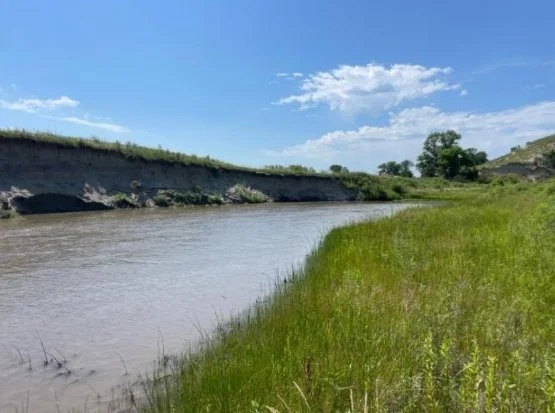
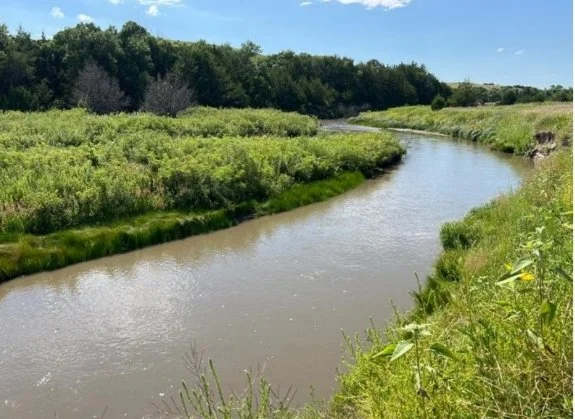
Just last week we received the 2025 report, specifically for our riparian (or river) areas.
The report continues to affirm what we see every day on the land which is: stewardship based on Lakota wisdom and values works. Riparian assessments conducted along the Little White River show that overall river and streambank health remains stable to improving, even with the careful reintroduction of buffalo grazing into those sensitive areas.
Across all of the monitoring sites, the vegetation cover remained strong, with high levels of stabilizing perennial plants which help protect streambanks and slow water flow. Plant communities showed good diversity and vigor, with grasses, sedges, forbs, shrubs, and trees working together to support healthy soils and habitat. Importantly, grazing impacts were consistently light and well-distributed, with no major negative effects observed on banks or vegetation.
There were several sites, including areas where the buffalo cross which demonstrated high riparian health, strong floodplain access, and balanced erosion and deposition. These findings are encouraging because they show that buffalo movement can coexist with and even support healthy river systems.
Additionally, there was abundant wildlife activity, which was also observed across nearly all sites, reflecting the range’s role as important habitat for birds, pollinators, and large mammals in the area.
While there are still some impacts from historic misuse of the land, the 2025 monitoring report confirms that the river corridor is functioning as a resilient, living system.
As Bud likes to say: The monitoring helps us take care of the land; when the land is healthy, it can take care of the buffalo; and when the buffalo thrive, we do too.
Final Reminder: Annual Partner Update Conversation
Tuesday, February 24th from 1-2pm CT
Join us for a live conversation with Sicangu Co staff! This year we’re excited to introduce you to some of our team members who are helping transform our community. Rather than programmatic bullet points, they’ll share their inspiring personal journeys and bring the 7Gen Vision to life. Trust us, you won’t want to miss it.
© 2026 Sicangu Co. All Rights Reserved.
If you no longer wish to receive emails unsubscribe here
27565 Research Park Drive, Mission, SD 57555, USA