Honoring 150 Years Since the Battle of the Little Bighorn
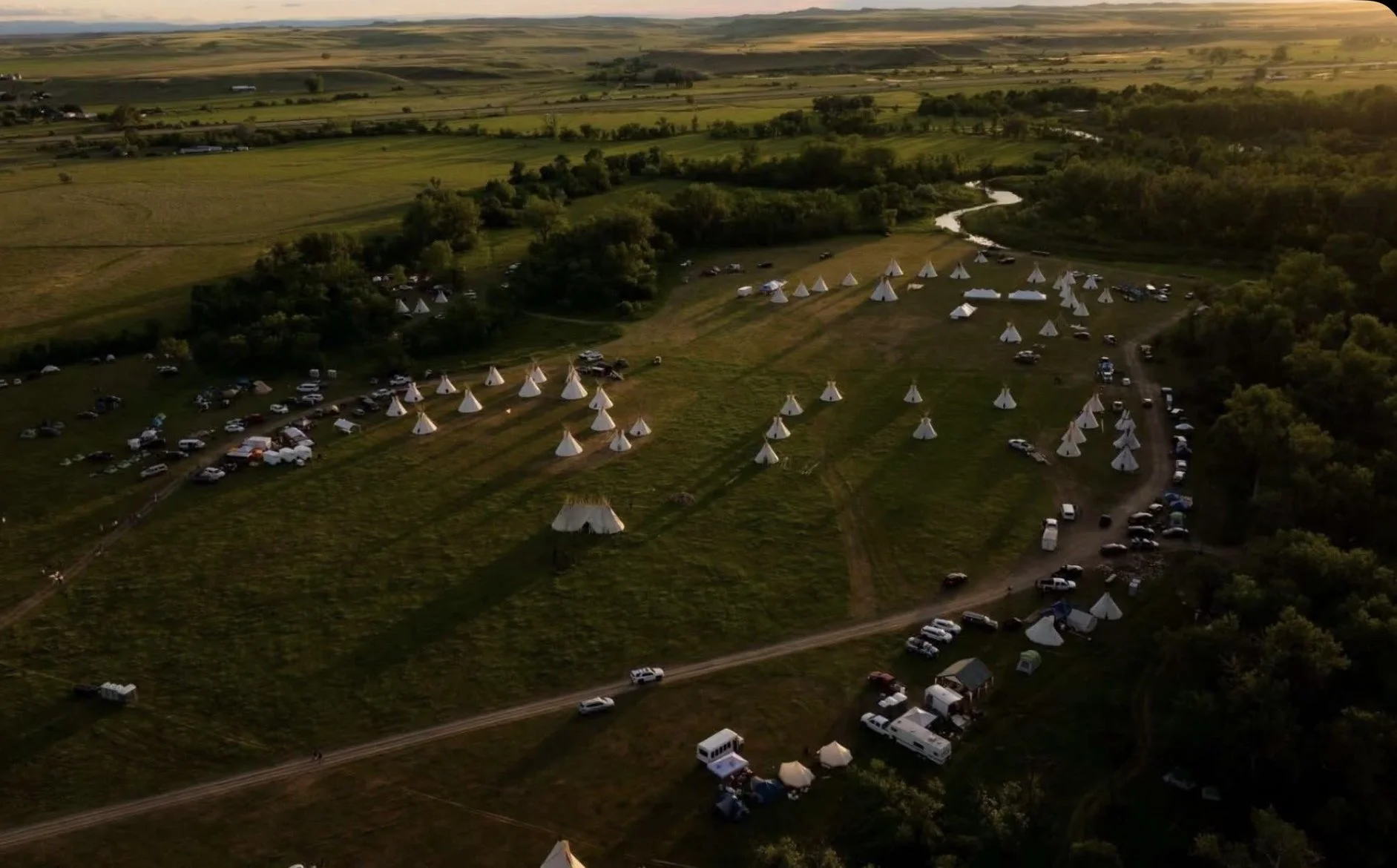
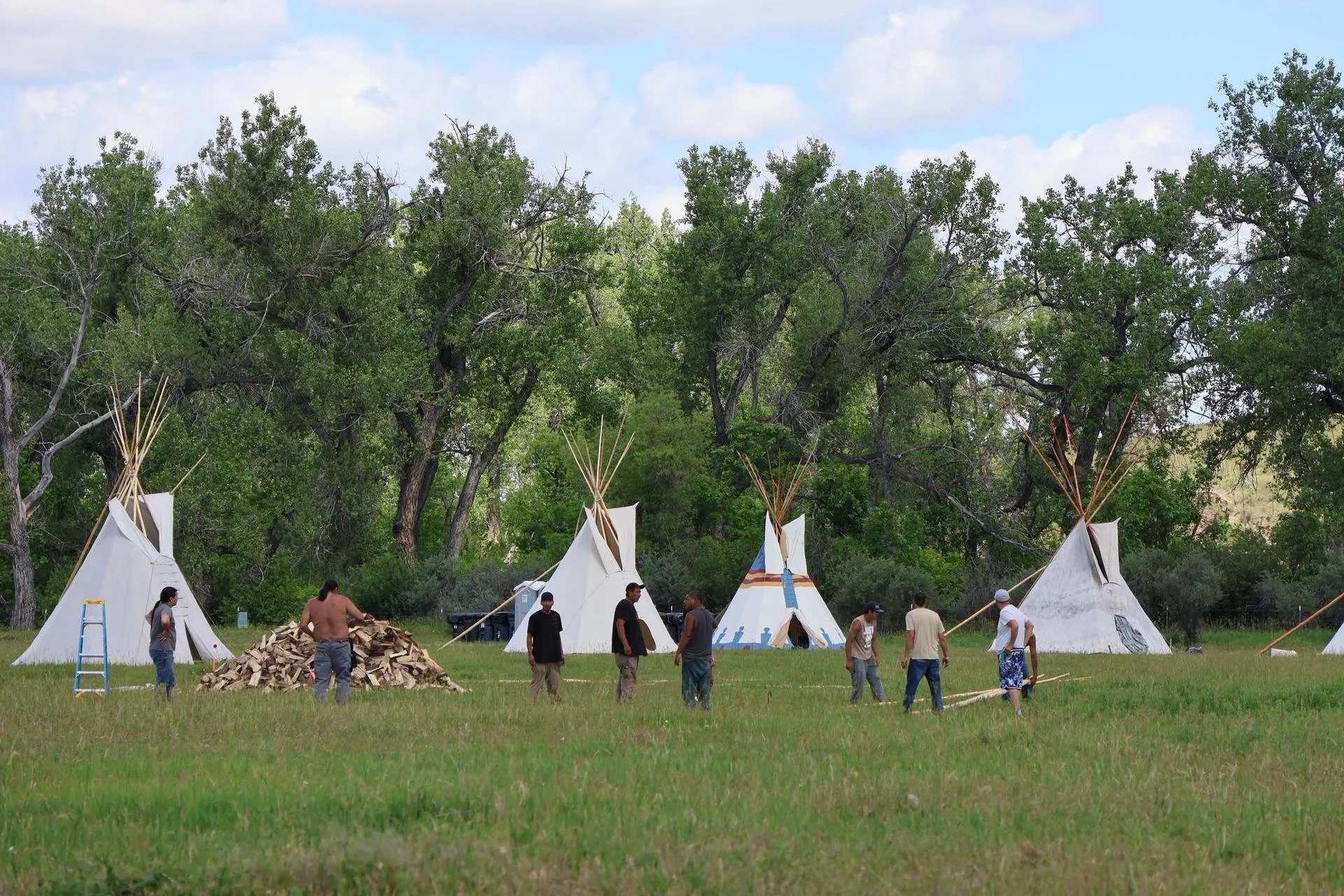
This week, hundreds of relatives from across Oceti Šakowiŋ are gathered in Montana to commemorate the 150th anniversary of the Battle of the Little Bighorn, known to many of our people as Wóohiye Aŋpétu (Victory Day).
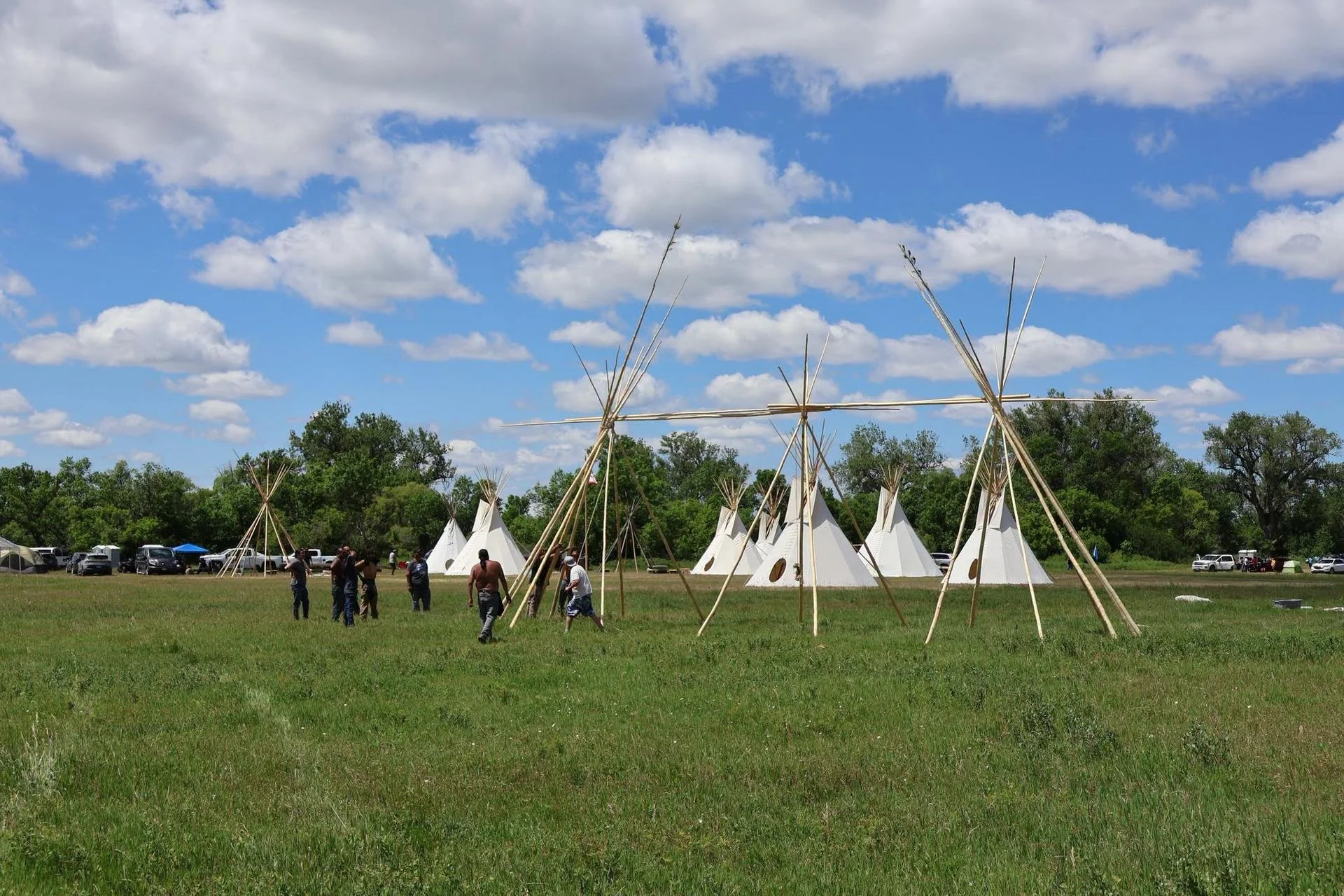
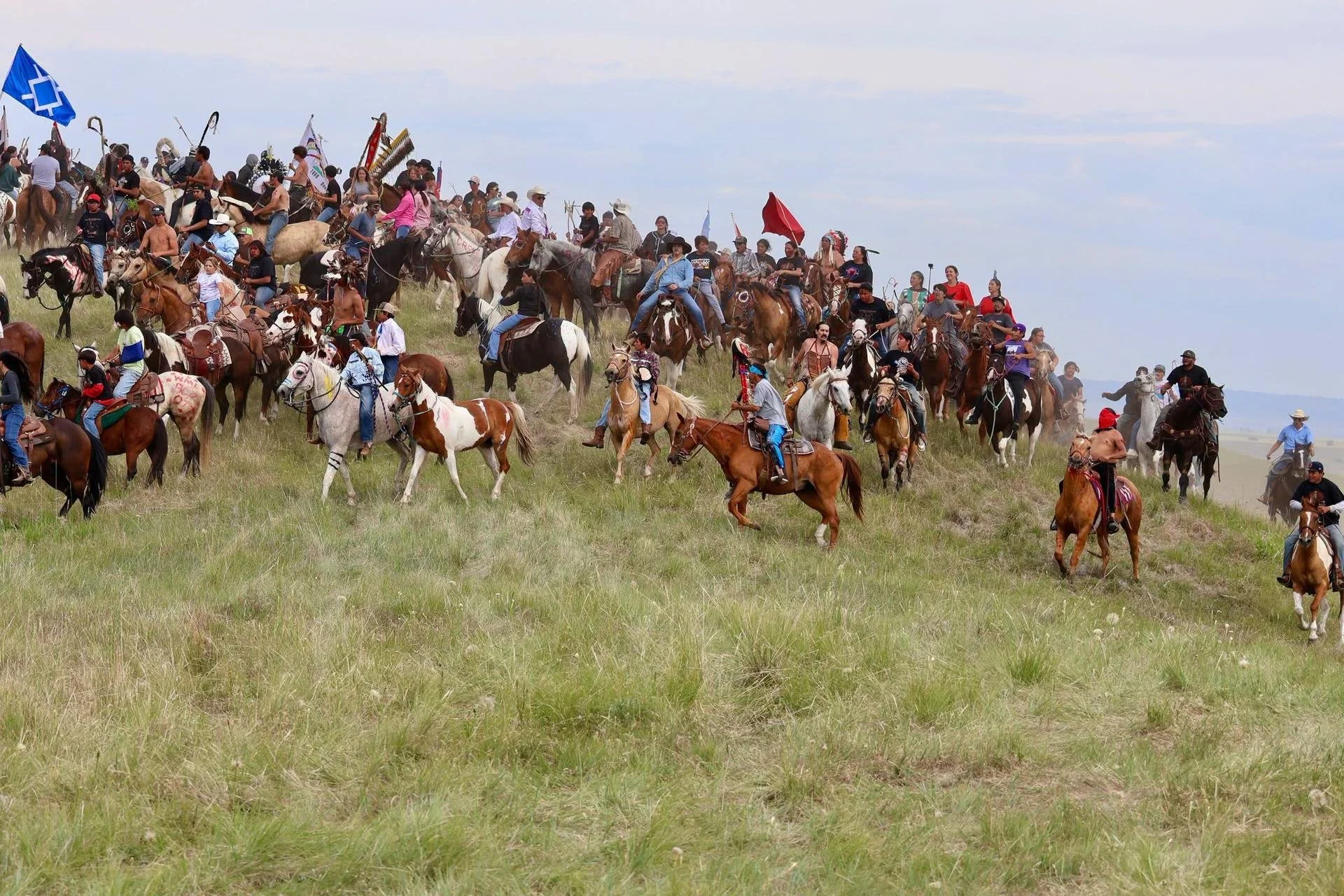
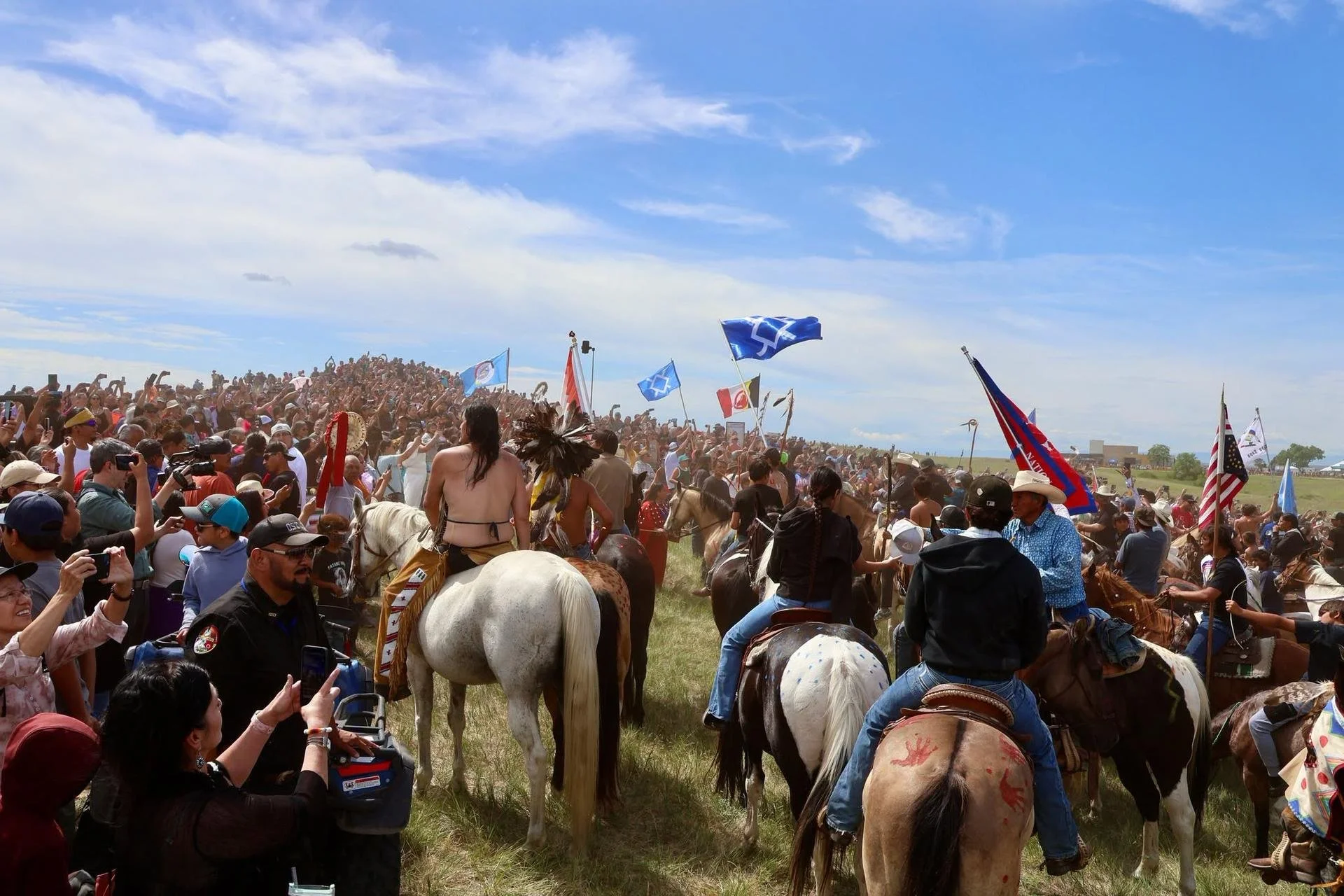
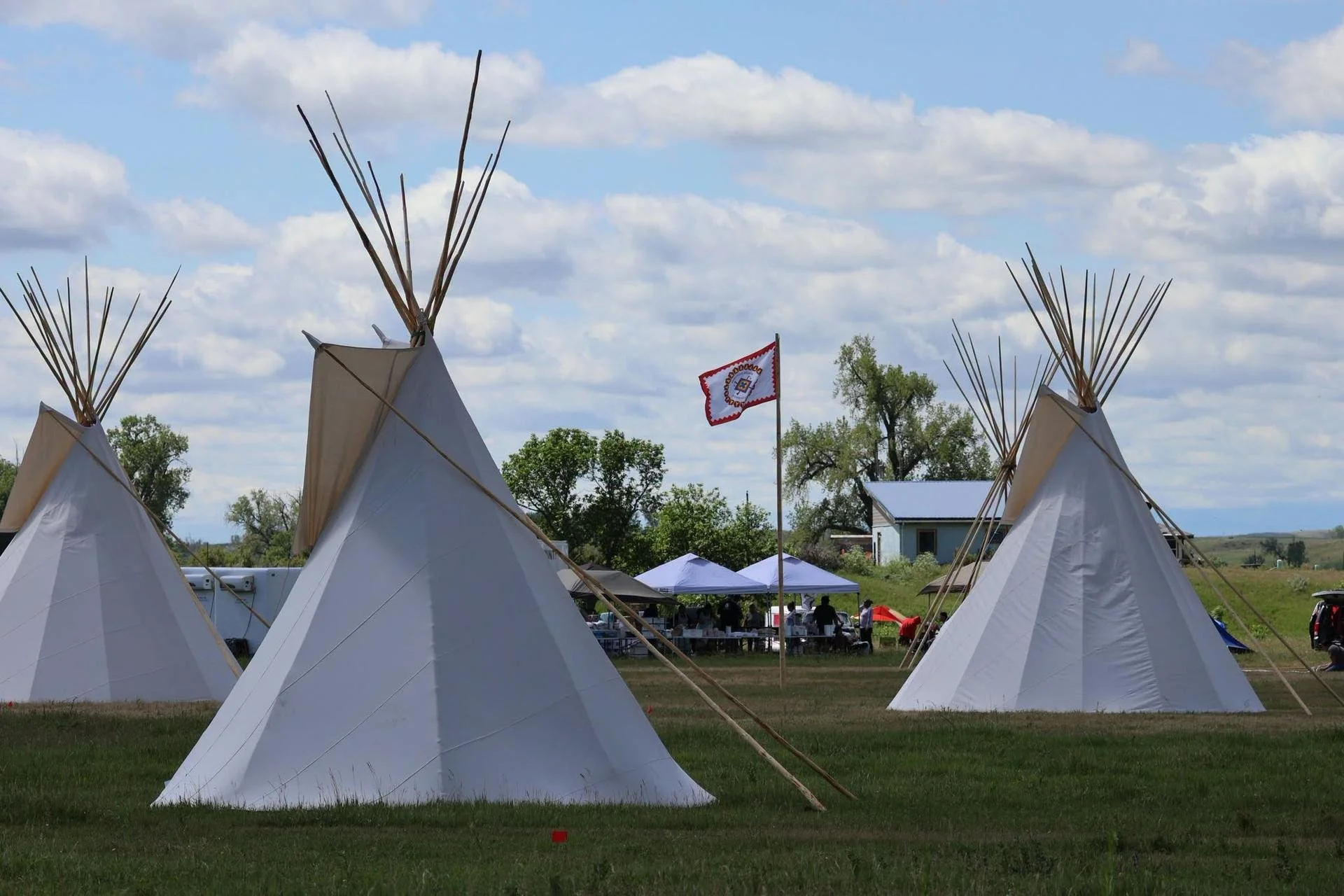
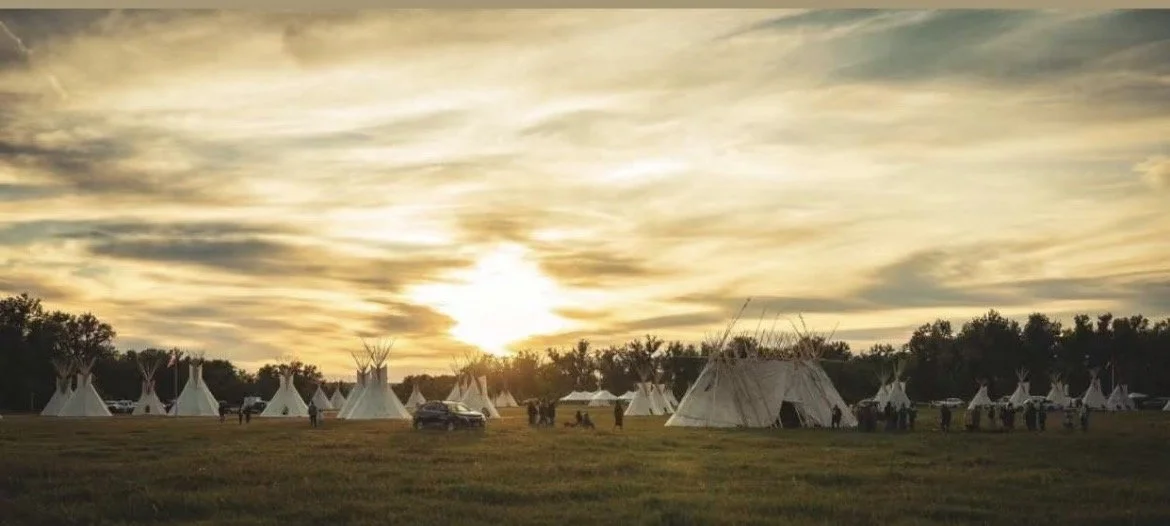
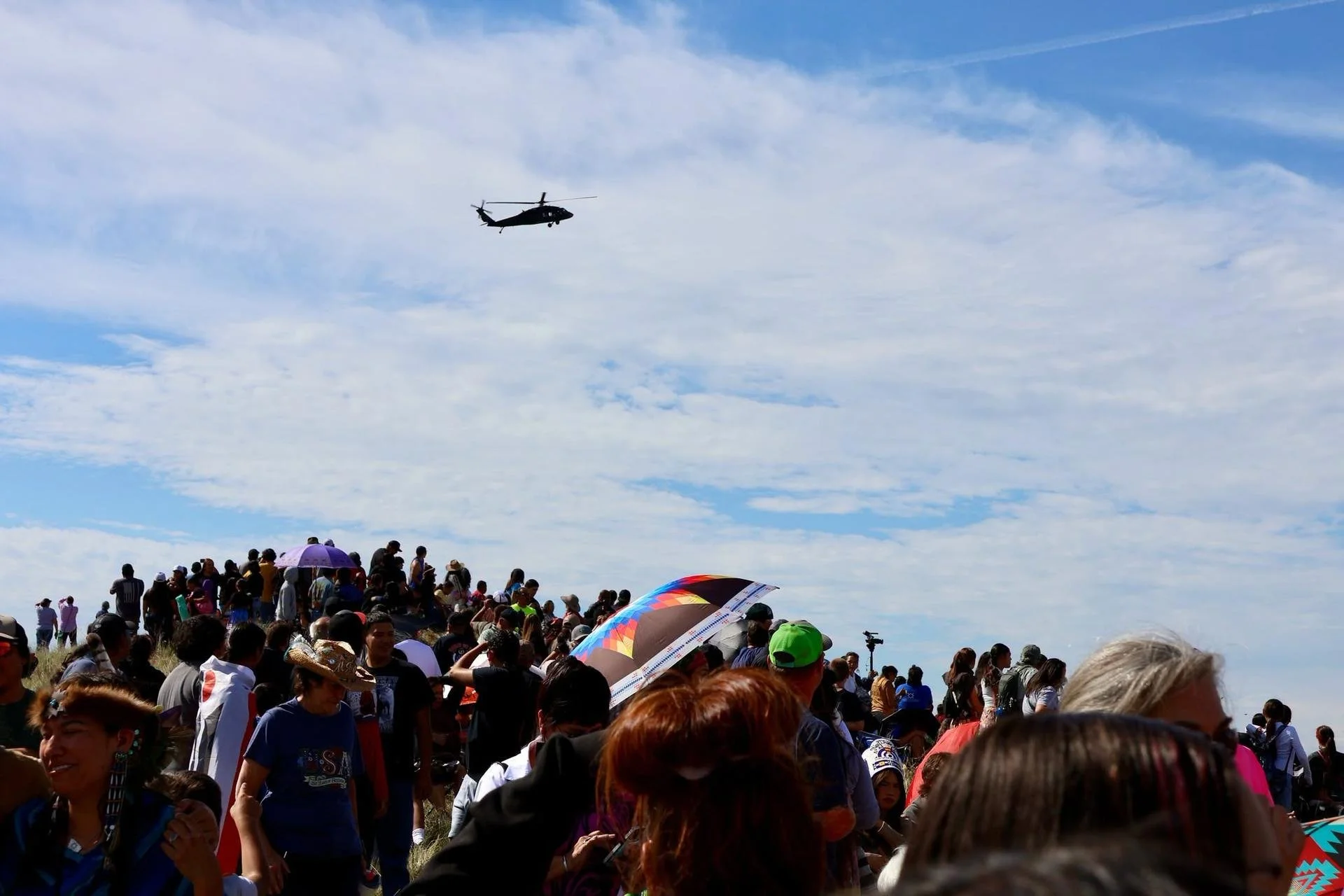
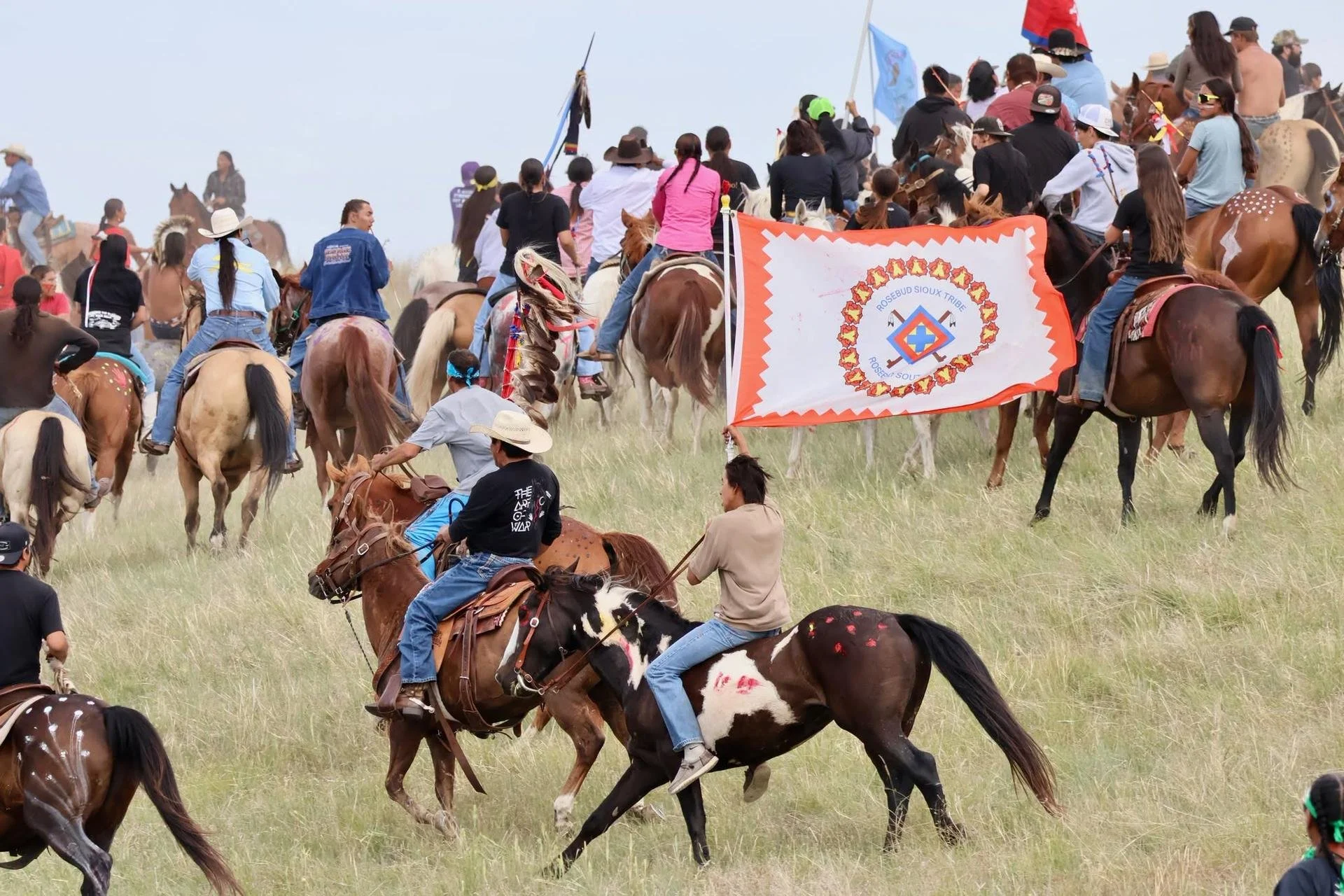
(Images courtesy of Rosebud Sioux Tribe Communications and Brave Heart Society)The History of the Battle of the Little Bighorn
The Battle of the Little Bighorn, known to our oyate (people) as the Battle of Greasy Grass, was fought on June 25–26, 1876 and was one of the most significant moments in the history of the Lakota, Northern Cheyenne, and Arapaho. The battle took place along the Pȟežísla Wakpá (Greasy Grass River) in present-day Montana and occurred during a period of growing conflict between Native nations and the United States government.
The roots of the battle can be traced to the 1868 Treaty of Fort Laramie, which established the Great Sioux Reservation and recognized Pahá Sápa (the Black Hills) as Lakota land. However, tensions escalated after gold was discovered in Pahá Sápa during 1874. Despite treaty protections, thousands of miners and settlers entered the area, and efforts by the United States government to purchase Pahá Sápa were rejected by our Lakota leaders who considered the land sacred and non-negotiable.
As pressure mounted, many Lakota and Cheyenne families continued living and hunting beyond reservation boundaries. In late 1875, the U.S. government ordered all Native people to report to reservations by January 31, 1876. When many did not comply, they were declared "hostile," and a military campaign was launched to force them onto reservation lands.
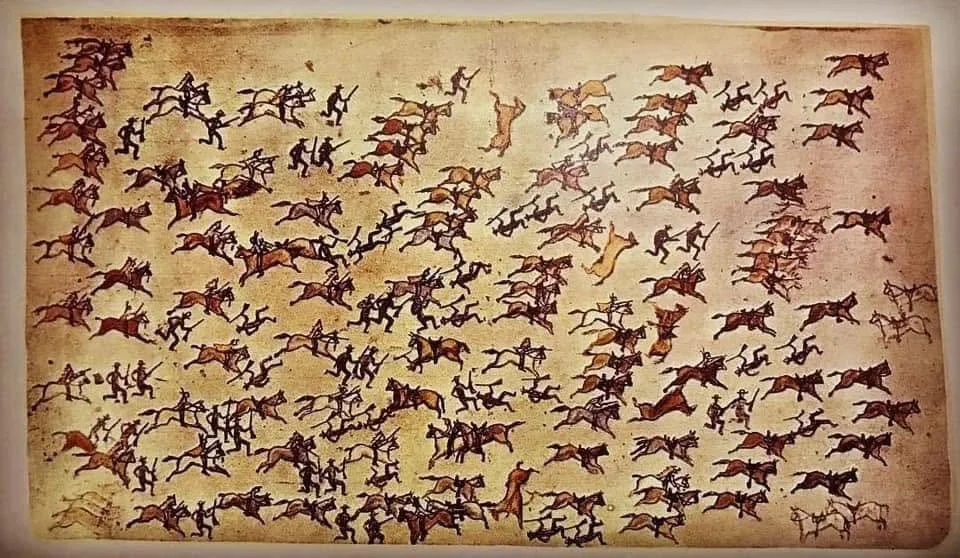
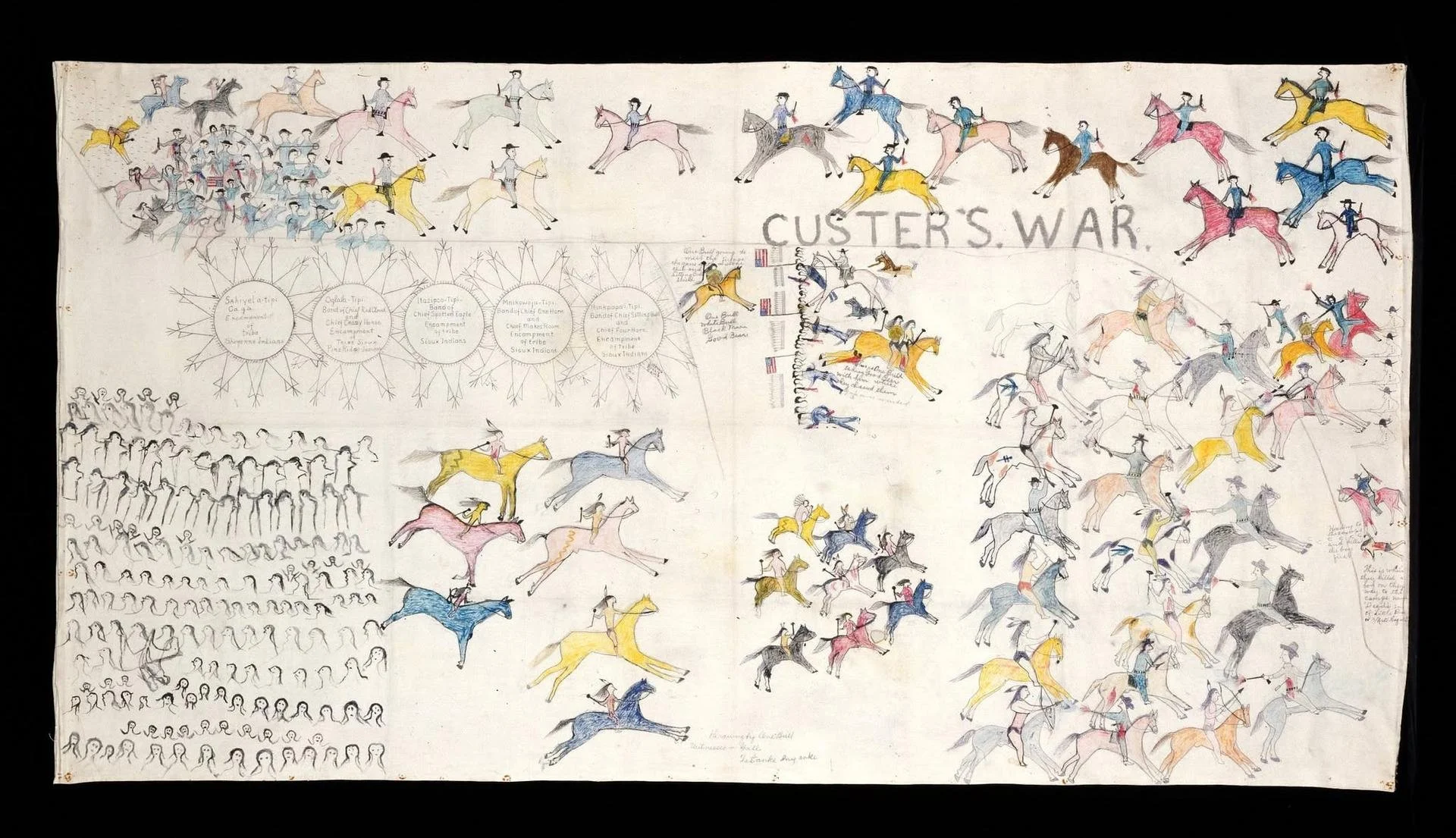
During the summer of 1876, thousands of Lakota, Northern Cheyenne, and Arapaho people gathered near Pȟežísla Wakpá (Greasy Grass River). They had come together for ceremony, community, and to preserve their traditional way of life. Among those present were respected leaders and warriors including Sitting Bull, Crazy Horse, Gall, Two Moon, and many others. The history passed down through our elders says that Sitting Bull experienced a vision during the sundance that foretold a great victory for his people.
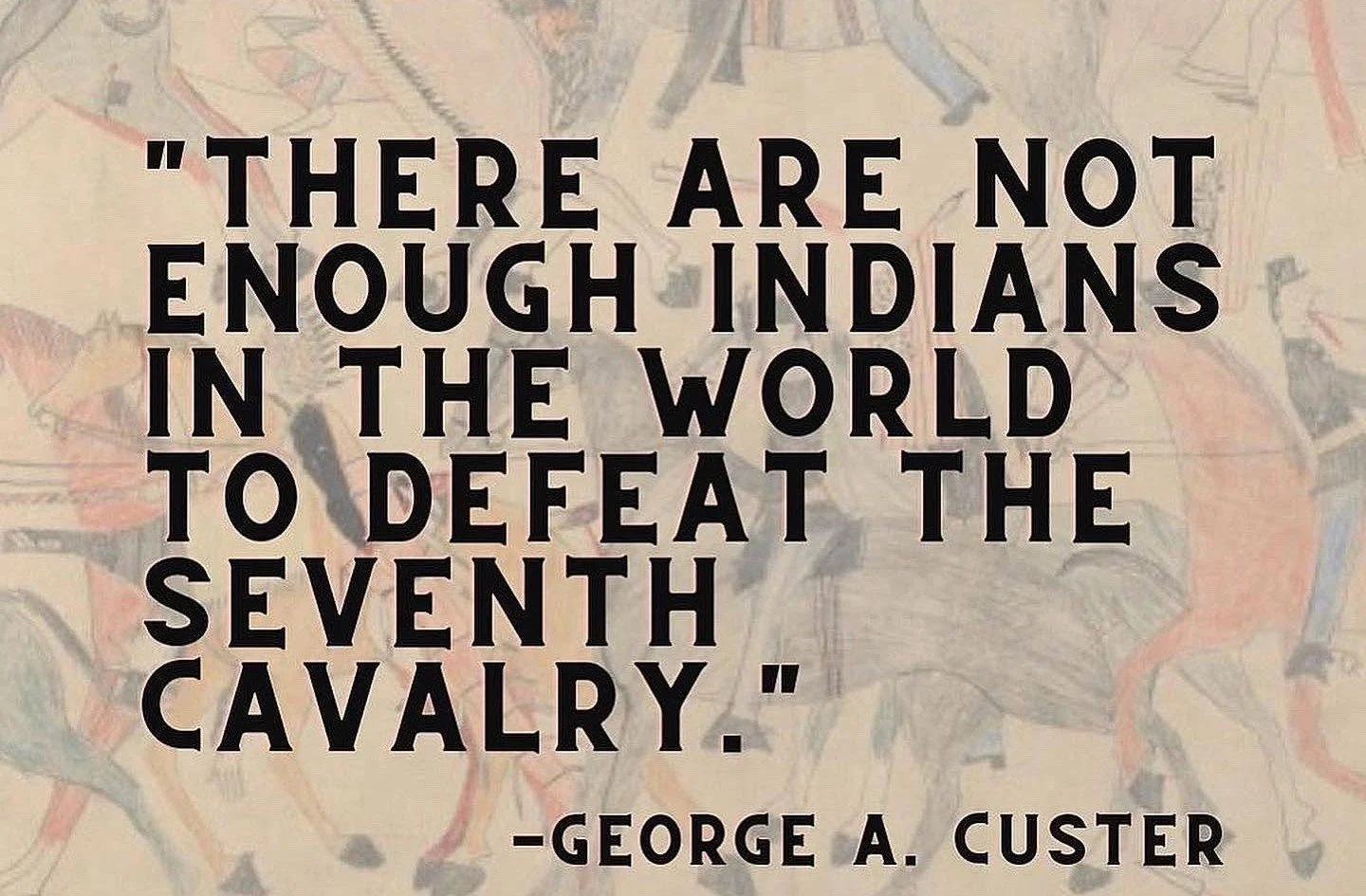
On June 25, George Armstrong Custer and the 7th Cavalry approached the large encampment. Believing the village was preparing to scatter, Custer divided his regiment and launched an immediate attack. Instead of encountering a small group, the soldiers faced one of the largest gatherings of Native nations ever assembled on the Northern Plains. Lakota, Northern Cheyenne, and Arapaho warriors quickly united in defense of their families and camp.
The battle unfolded across miles of ridges, coulees, and river valleys. Major Marcus Reno's forces attacked the southern end of the village but were forced to retreat. Meanwhile, Custer and five companies of the 7th Cavalry moved north, where they were met by overwhelming resistance. Surrounded by hundreds of warriors, Custer and the soldiers under his direct command were defeated. By the end of the battle, Custer and more than 200 of his men had been killed.
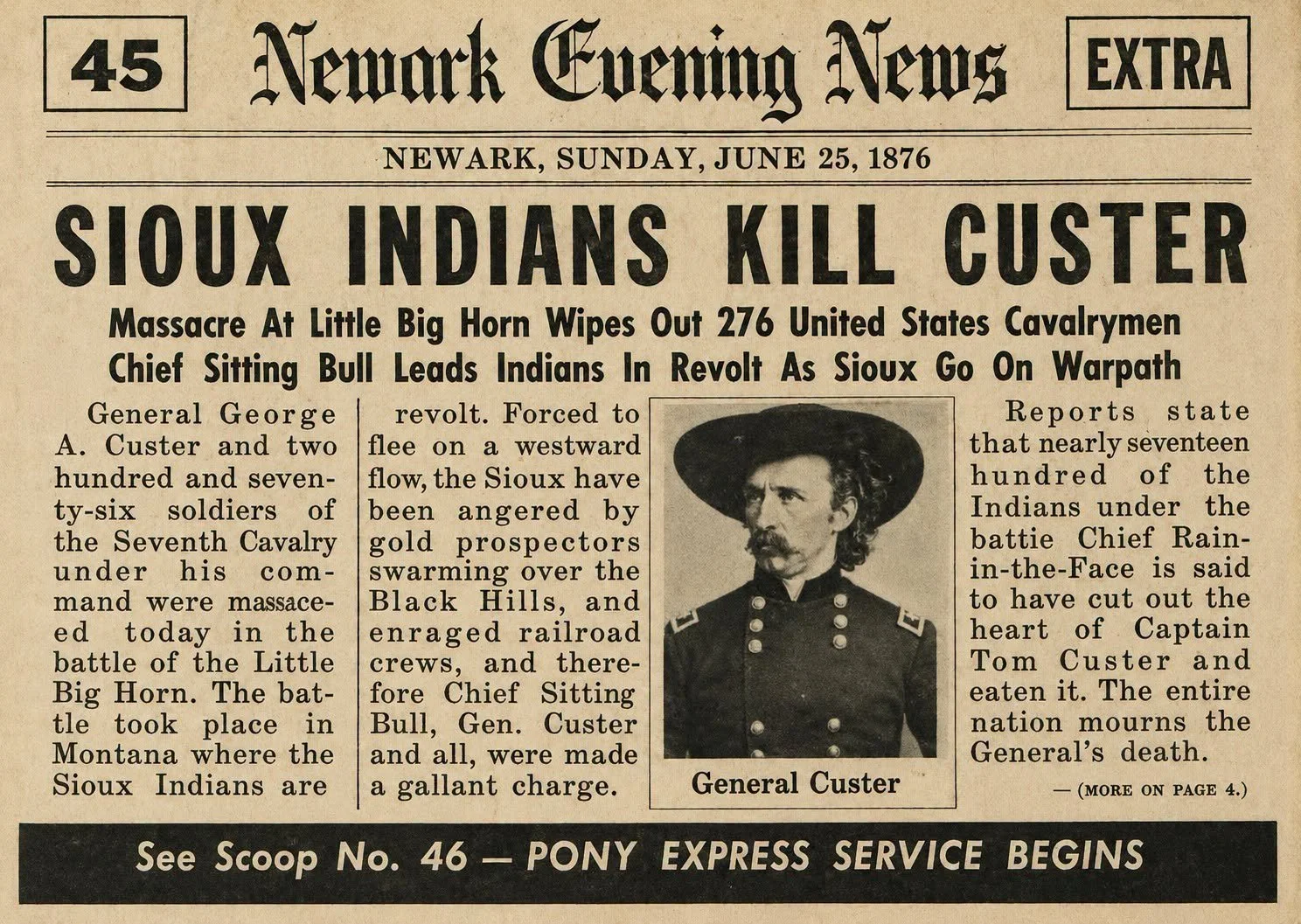
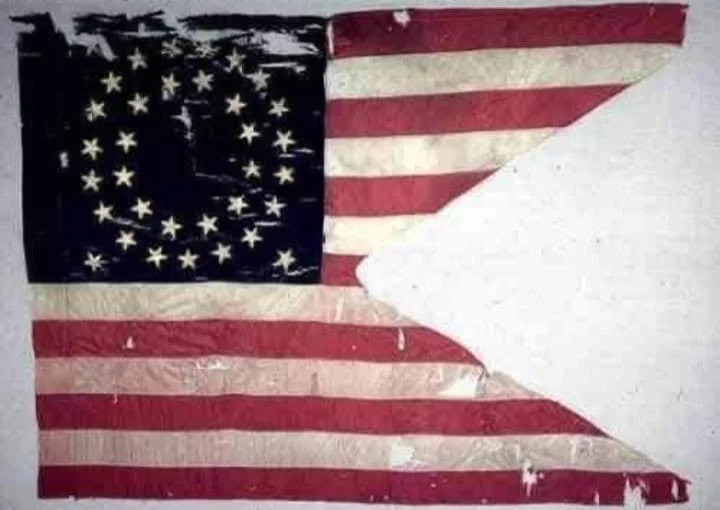
For our ancestors, the Battle of Greasy Grass was a powerful demonstration of unity, courage, and determination. Akicitas from our many nations stood together to protect our people, homelands, and way of life. The victory remains one of the greatest Indigenous military successes in North American history.
Yet the victory came at a cost. The battle became a rallying point for the United States government, leading to increased military campaigns against Native nations throughout the Northern Plains. Within a few years, many Lakota and Cheyenne people had been forced onto reservations, and Pahá Sápa (the Black Hills) were taken despite the protections promised under treaty. 150 years later, this is still a battle for us. Over $1.3 billion of money remains in an investment account waiting for our people to give up on Pahá Sápa.
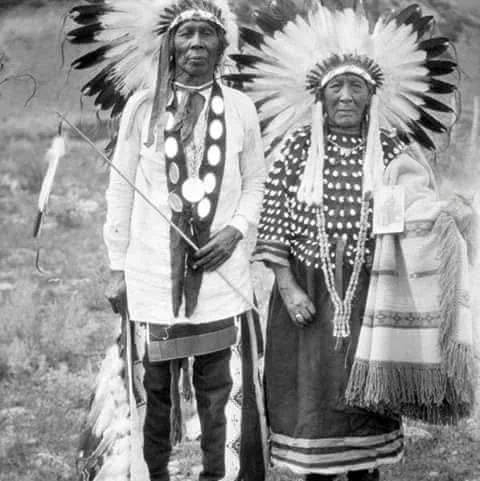
(The image above features husband and wife, Cheyenne and Minnie Hollow Wood. Minnie was one of many Lakota zuyá wíŋyaŋ (warrior women) who fought with the men on June 25th, 1876 and earned the right to wear a wapaha [war bonnet])For us, Wóohiye Aŋpétu (Victory Day) is more than a remembrance of a battle. It is an opportunity to honor our ancestors, reflect on their sacrifices, and celebrate the strength and resilience that continue to live within our people. Their actions helped preserve our culture, language, and identity through generations of challenges and change.
As relatives from across Oceti Šakowiŋ gather this week to honor the 150th anniversary, we join in remembering those who came before us and the legacy they entrusted to future generations. Their story is not confined to history books; it lives on through our communities, our ceremonies, our language, and our continued commitment to strengthening our oyate. 🤎
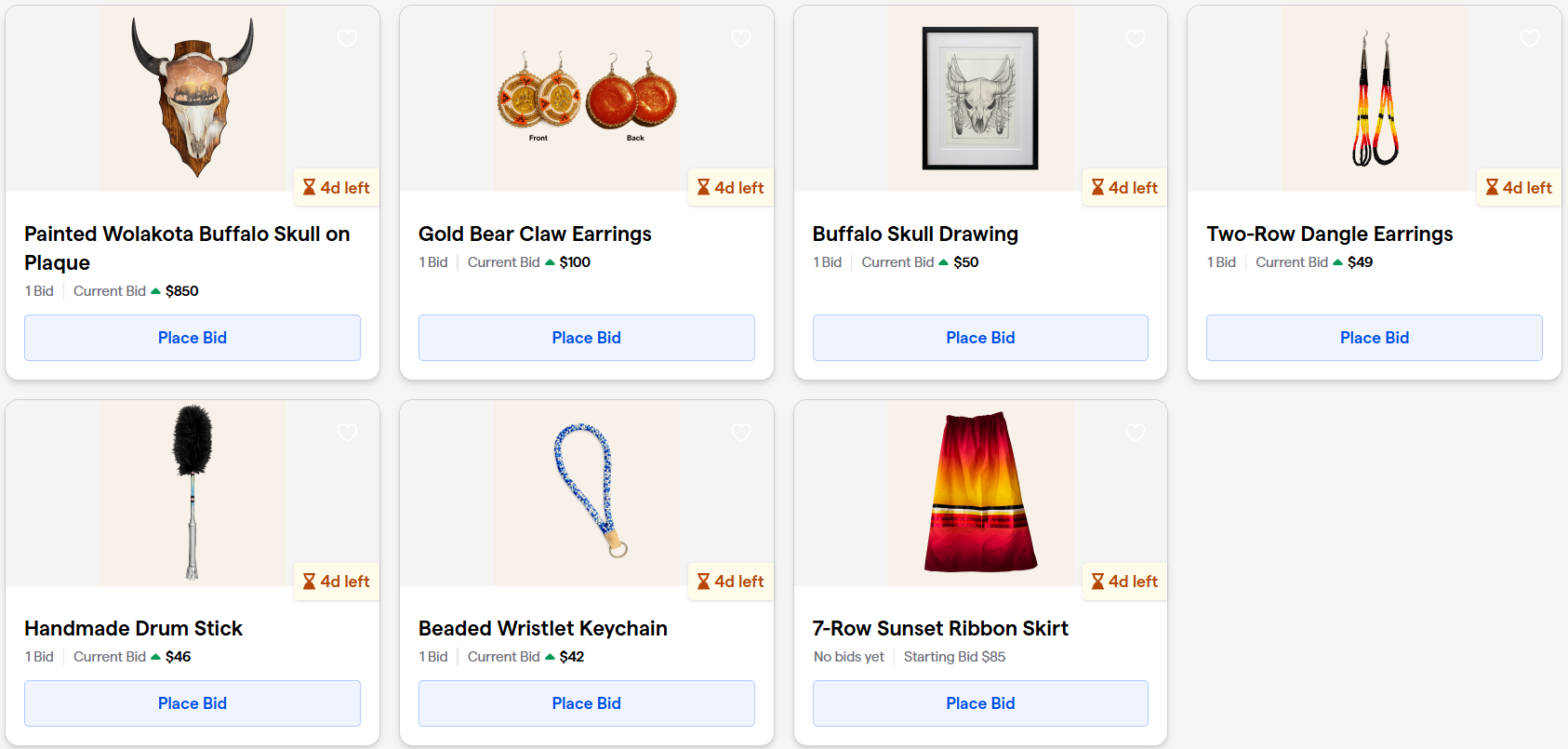
Don't forget that the Victory Day auction ends in just a few days!
You, your family members, neighbors, and favorite cashier have until June 30th at 5pm CST to get your bids in and have one-of-a-kind pieces sent directly to your door. 🎨
Please email our Individual Giving Manager, Brandi Charging Eagle, at brandi@sicangu.co if you have any questions or need help!